
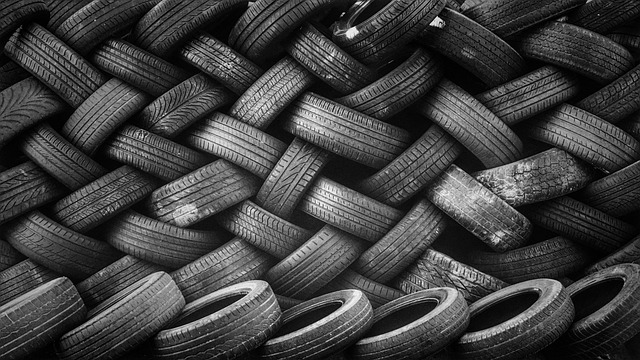
Rubber Flooring Denver is a popular commercial choice for its durability, comfort, and versatility. It excels in heavy foot traffic areas with superior traction, impact absorption, and temperature insulation. Costs vary based on material type (natural or synthetic), installation complexity, project scale, local market dynamics, and customization. High-quality rubber flooring lasts up to 20 years with proper maintenance, reducing replacement needs. Its longevity, durability, comfort, eco-friendliness, and hygiene benefits make it a cost-effective choice compared to traditional options. Investing in Rubber Flooring Denver offers a return on investment through reduced maintenance, enhanced productivity, customer satisfaction, and environmental sustainability.
Rubber flooring has become a popular choice for commercial spaces across Denver, offering durability and versatility. However, understanding the cost associated with installing commercial-grade rubber flooring can be challenging. This article provides an in-depth look at the factors influencing Rubber Flooring Denver prices, empowering property managers and business owners to make informed decisions. We’ll navigate the various costs, from materials and labor to installation complexities, ensuring you’re equipped to estimate and budget effectively for your next flooring project in Denver’s dynamic commercial landscape.
- Understanding Commercial Rubber Flooring in Denver
- Factors Affecting Rubber Flooring Denver Cost
- Installation and Maintenance Costs Explained
- Benefits and ROI of Rubber Flooring Denver
Understanding Commercial Rubber Flooring in Denver
Rubber flooring has emerged as a popular choice for commercial spaces in Denver, offering both durability and comfort. When considering rubber flooring Denver, it’s essential to understand that this type of flooring is designed to withstand heavy foot traffic, making it ideal for high-use areas like schools, gyms, and offices. Unlike traditional hard floorings, rubber provides excellent traction control, impact absorption, and insulation against cold or hot temperatures. This versatility makes it a preferred option in various industries, ensuring safety and comfort for employees and visitors alike.
The cost of rubber flooring Denver can vary significantly based on several factors. Firstly, the type of rubber used—natural or synthetic—plays a crucial role. Natural rubber is more expensive due to its superior durability and aesthetics but may not be suitable for every budget. Synthetic rubber, while offering good value, might require replacement more frequently. Secondly, the complexity of installation can impact costs; intricate designs or specialized installations will inevitably drive up expenses. For instance, rubber flooring for schools Denver often requires custom cuts and patterns to accommodate unique space configurations, adding to the overall investment.
When searching for the best deals on rubber flooring Denver, property owners should consider long-term savings over initial costs. High-quality rubber flooring can last up to 20 years or more with proper maintenance, reducing the need for frequent replacements. Moreover, rubber floors are known for their low maintenance requirements compared to other flooring types, which can further offset the overall investment. For example, a study by the National Floor Covering Association found that rubber flooring had one of the lowest total cost of ownership over a 20-year period among various flooring options, making it an attractive choice for schools and commercial establishments in Denver seeking both style and sustainability.
Factors Affecting Rubber Flooring Denver Cost
When considering rubber flooring Denver options, understanding the factors influencing cost is paramount for making an informed decision. The price of rubber flooring in Denver can vary widely due to several key elements. One of the primary determinants is the type and quality of rubber used. High-performance rubber tiles, often sourced from reputable rubber flooring suppliers in Denver, tend to be more expensive than standard options but offer superior durability and aesthetic appeal. For instance, black rubber flooring Denver has gained popularity for its sleek look, making it a premium choice for both commercial and residential spaces.
Another significant factor is the complexity of installation. Simple replacement projects may have lower labor costs, while new constructions or complex renovations typically require more specialized skills and materials, driving up expenses. Rubber tiles for basements in Denver, for example, might need additional preparation to ensure a waterproof seal, impacting the overall project cost. Moreover, the size and scope of the flooring area play a crucial role; larger spaces demand more material and labor, naturally increasing the price tag.
Local market dynamics, including competition among rubber flooring suppliers in Denver, also affect pricing. Buyers can leverage competitive markets to find better deals, but limited supplies or specialized products may carry premium prices. Additionally, customization options, such as intricate patterns or specific color matches, should be considered as they often add to the cost. However, these features can significantly enhance the overall aesthetics and functionality of rubber flooring Denver installations, justifying the investment for many property owners and managers.
Installation and Maintenance Costs Explained
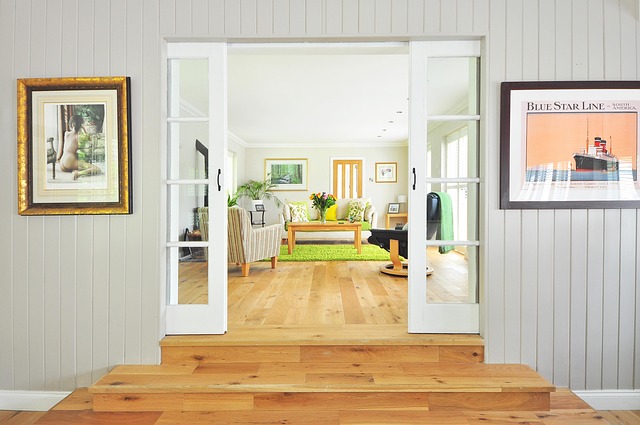
The cost of installing and maintaining commercial-grade rubber flooring in Denver, such as those used in schools, involves several factors beyond the material itself. While rubber flooring in Denver has gained popularity for its durability, comfort, and safety benefits, particularly in educational institutions, understanding the installation and maintenance expenses is crucial for informed decision-making. One of the primary considerations is labor costs, which can vary depending on the complexity of the project and the size of the area to be floored. For instance, a large-scale rubber flooring installation in a school gym may require specialized equipment and a team of experienced installers, driving up expenses compared to a smaller classroom renovation.
Additionally, preparing the subfloor for rubber flooring in Denver is essential but can add to the overall budget. Vinyl sheet flooring, a common alternative, often has lower initial costs but may not offer the same longevity and durability as rubber. In contrast, rubber flooring Denver is known for its resistance to tearing, fading, and heavy foot traffic, making it a more long-term investment despite higher upfront expenses. Maintenance costs should also be factored in, as regular cleaning and minor repairs can extend the life of any flooring. For rubber flooring specifically, annual sealing and occasional reapplication of finishes are common maintenance tasks that contribute to ongoing expenses, especially for high-traffic areas.
Schools and businesses in Denver often balance these costs against the benefits of enhanced safety features, reduced noise levels, and improved comfort for students and employees. By evaluating the unique needs of each space and consulting with professionals specializing in rubber flooring Denver, property managers can make informed choices that align with their budgets and long-term goals. Ultimately, a well-maintained rubber floor can serve as a robust and enduring investment, providing both aesthetic value and practical advantages for years to come.
Benefits and ROI of Rubber Flooring Denver

Rubber flooring has emerged as a popular choice for commercial spaces in Denver, offering a unique blend of comfort, durability, and style. When compared to traditional options like carpet Denver or even refinished hardwood floors Denver, rubber flooring presents several compelling advantages that contribute to its growing popularity. One of the most significant benefits is its longevity; rubber floors are highly resistant to wear and tear, making them ideal for high-traffic areas. This durability translates into a lower total cost of ownership over time, as replacement or repair needs are significantly reduced.
The eco-friendly nature of rubber flooring Denver is another critical factor for businesses aiming to enhance their sustainability credentials. Rubber is derived from natural materials, such as rubber trees and recycled tires, reducing the environmental impact compared to synthetic carpeting. Moreover, it can be easily recycled at the end of its useful life, further minimizing waste. This aspect aligns with a growing trend among businesses to adopt eco-conscious practices, contributing to a positive brand image and appealing to environmentally conscious customers.
Return on investment (ROI) for rubber flooring Denver is impressive due to its ability to enhance space functionality and employee comfort. Unlike carpet, which can harbor allergens and require frequent cleaning, rubber floors are easier to maintain and offer superior hygiene benefits. This leads to reduced cleaning costs and improved air quality, creating healthier working environments. For instance, studies have shown that schools with rubber flooring experienced lower absenteeism rates, attributing the improvement to better indoor air quality and enhanced overall comfort. By investing in rubber flooring, businesses can achieve cost savings through reduced maintenance, improved employee productivity, and enhanced customer satisfaction, all while contributing to a more sustainable future.
Rubber Flooring Denver offers a compelling combination of durability, comfort, and cost-effectiveness for commercial spaces. Understanding the factors influencing its cost, such as size, complexity of installation, and material quality, enables informed decision-making. Installation and maintenance considerations, while vital, offer long-term savings. The significant benefits of Rubber Flooring Denver, including enhanced safety, reduced noise levels, and improved sustainability, translate into a strong return on investment (ROI). By weighing these insights, businesses in Denver can strategically integrate Rubber Flooring to create durable, comfortable, and efficient environments for their operations.